


Cineteca Madrid celebrates Spanish Cinema Day and joins the 'Madrid es Paisaje' initiative in October
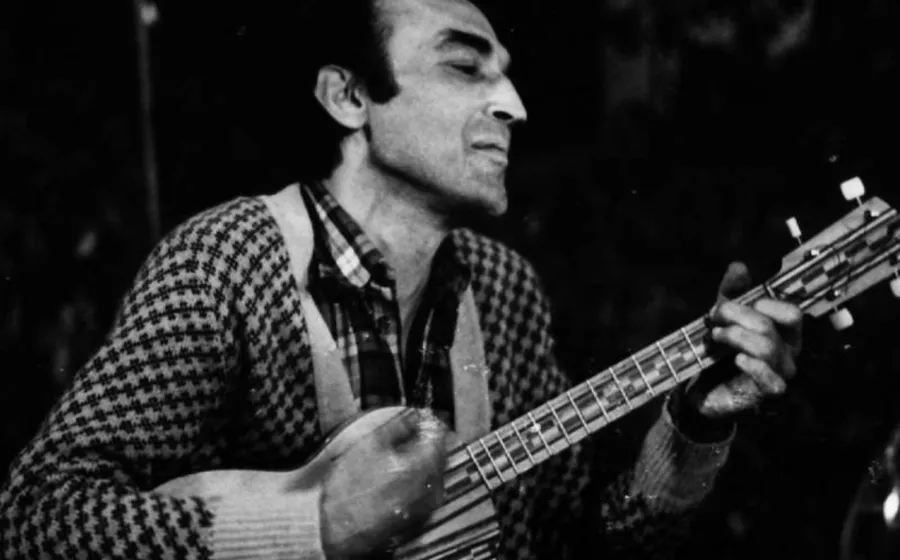
- Spanish Cinema Day will feature the screening of the restored documentary Mientras el cuerpo aguante (1982) by Fernando Trueba, a portrait of singer Chicho Sánchez Ferlosio.
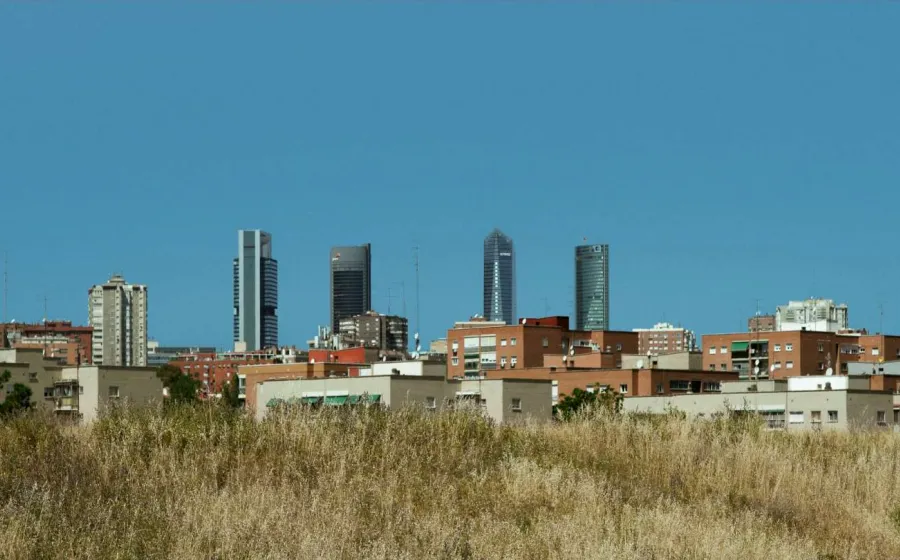
- Cineteca joins the Madrid City Council’s Madrid es Paisaje initiative, which highlights the city’s less iconic locations.
- Through the 'Exiles' film series, Cineteca will showcase the profound influence and contributions of the Spanish exile in Mexico.
- A retrospective dedicated to Bruno Lázaro Pacheco will span the filmmaker’s work across fiction, documentary, and experimental cinema.
- Marking the 90th anniversary of his birth, Cineteca pays tribute to the architect, painter, urban planner, and filmmaker Jacinto Esteva.
- A retrospective on Warren Sonbert will place his avant-garde cinema in dialogue with classic films by Dziga Vertov, Alfred Hitchcock, and Douglas Sirk.
- Tribute will also be paid to Eugènia Balcells, a pioneer of experimental cinema and audiovisual art in Spain, who passed away last March.
- Cineteca will host the most comprehensive retrospective dedicated to Argentine filmmaker Lucía Seles held in Spain to date.
- A special Halloween programme and the Another Way Film Festival round out this month’s rich line-up.
Cineteca Madrid—a venue under the Department of Culture, Tourism and Sport located at Matadero Madrid—invites audiences this October to celebrate Spanish Cinema Day and to re-examine the profound influence that the Spanish exile had on Mexico. Furthermore, a retrospective will trace the filmography of director Bruno Lázaro Pacheco, while a tribute will be paid to multidisciplinary filmmaker Jacinto Esteva on the 90th anniversary of his birth. A dialogue between Warren Sonbert’s avant-garde cinema and classic films by Dziga Vertov, Alfred Hitchcock, and Douglas Sirk is also scheduled as a retrospective. Additionally, Cineteca will host the most comprehensive retrospective dedicated to Argentine filmmaker Lucía Seles to date.
As every year, the venue will join the Another Way Film Festival, featuring documentary cinema focused on sustainable progress. Towards the end of the month, a chilling film series will also celebrate Halloween.
Spanish Cinema Day
Once again, Cineteca joins the celebration of Spanish Cinema Day on October 6 with the screening of two lesser-known gems that prove Spanish cinema is far more diverse and border-crossing than is commonly believed. On the one hand, it will screen the restored version of Fernando Trueba’s documentary Mientras el cuerpo aguante (1982), a portrait of singer Chicho Sánchez Ferlosio notable for its lyrical, humorous, profound, and musical character. The following day will see the premiere of Pequeño diccionario de gramática de las nubes (2026), the latest production from the Escuela Dentro Cine, which develops its activities at Matadero Madrid. The film showcases a possible future for Spanish cinema that is inclusive, plural, and diverse.
Madrid es Paisaje (Madrid is Landscape)
Cineteca joins the Madrid City Council’s Madrid es Paisaje initiative, an annual programme of activities centred around World Landscape Day (October 20) that seeks to decentralise the perspective on the city, highlighting not only its most iconic spaces but also everyday landscapes and how public art inhabits them. In collaboration with the Subdirectorate of Urban Landscape and Public Art, Cineteca is organising three consecutive sessions of meetings exploring the relationship between public space and citizen experience.
'Exiles' Film Series: The influence and contributions of the Spanish exile in Mexico
Hosted at Casa de México in collaboration with UNAM España, this film series highlights the profound influence that the Spanish exile had on Mexico. Cineteca is joining the initiative by premiering on October 6 the restoration of Redondo (Raúl Busteros, 1986), a film directed by a Mexican filmmaker and son of exiles, based on the novel by Spanish writer Paco Ignacio Taibo. It is arguably in this irreverent and intriguing film that Buñuel’s legacy is most unflinchingly revealed. This title will be accompanied on October 14 by En el balcón vacío (Jomi García Ascot, 1962), a masterpiece of the Spanish exile and a lesser-known gem that, 65 years later, sheds light on many of our enduring wounds.
Bruno Lázaro Pacheco Retrospective
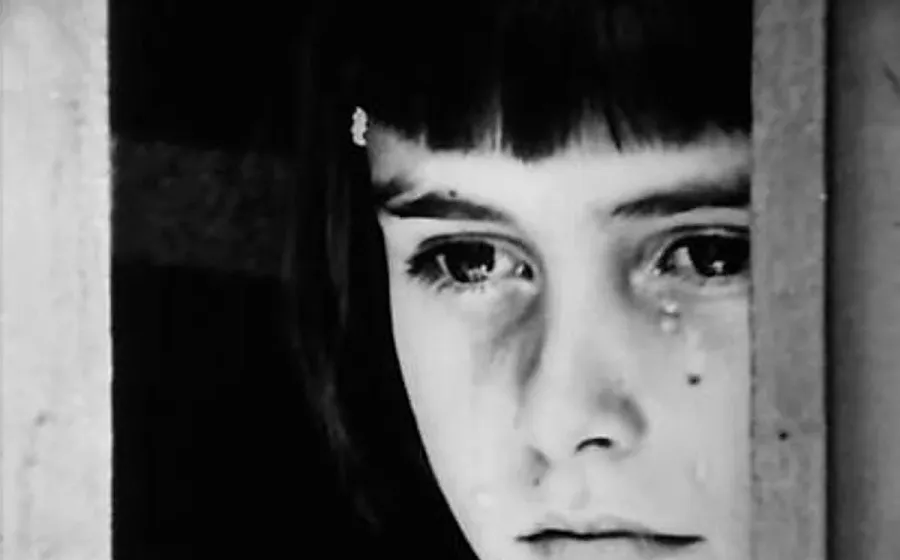
From October 3 to 11, Cineteca Madrid is organising a retrospective dedicated to Bruno Lázaro Pacheco, a Canadian-Spanish filmmaker whose work moves between fiction, documentary, and experimental cinema. The son of poet Jesús López Pacheco—exiled during the Francoist dictatorship—Lázaro Pacheco grew up between two cultures, a duality that permeates his entire filmography. An heir to the existentialism of Tarkovsky and Wenders, his cinema explores cultural dualities, the memory of exile, and the tension between the individual and the State.
The programme offers a comprehensive journey through his filmography, from his early shorts to his most recent features, including such poetic and radical works as Hate to Love (1982), awarded in Chicago and invited to the Directors' Fortnight (Quinzaine des Réalisateurs) in Cannes; There Are No Outdoor Ice Rinks In Madrid (2011), an experimental tribute to his father; and the premiere of August So Tragic and Tender (2025), his latest feature film. The screenings will be accompanied by Q&As with the filmmaker, whose presence has been made possible thanks to the financial support of the Conseil des arts et des lettres du Québec.
Tribute to Jacinto Esteva
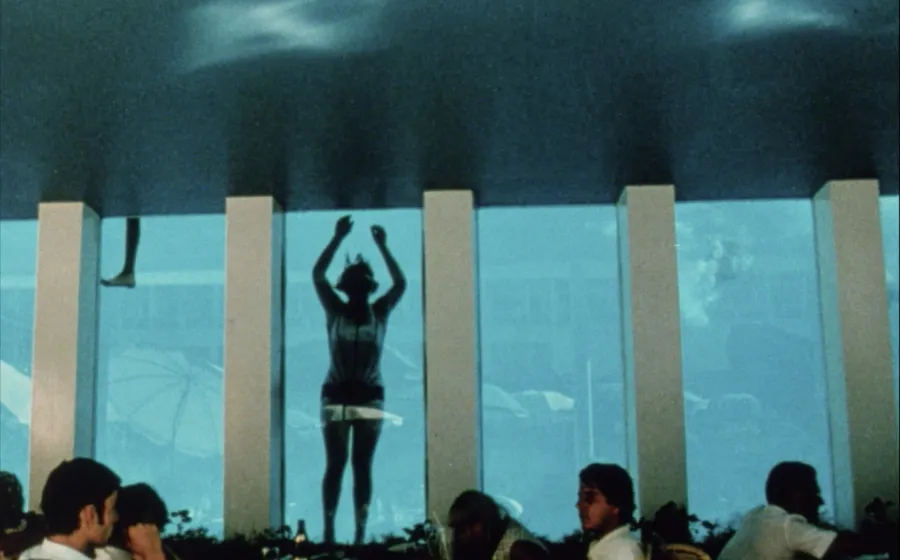
Jacinto Esteva—architect, painter, urban planner, and filmmaker—was one of the essential names of the Barcelona School (Escuela de Barcelona). His perspective, as unclassifiable as it was radical, moved between ethnographic documentary, the avant-garde, and a fascination with Africa that marked a major part of his work. Cineteca celebrates the 90th anniversary of his birth with a tribute, from October 3 to 6, which reviews his principal works and recovers materials from his shoots in Africa.
The programme continues with his early short films Notes sur l'émigration. Espagne 1960 (co-directed with Paolo Brunatto), a documentary on Spanish emigration to Switzerland, and Alrededor de las salinas, a docudrama shot in Ibiza that foreshadows the motifs of his later work. In addition, his major work Lejos de los árboles, a fascinated and horrified journey through rural Spain (España profunda), will be screened.
Air Bridge: The Cinema of Warren Sonbert
Warren Sonbert was one of the essential figures of American avant-garde cinema. He burst onto the New York scene at just 18 years old, capturing the spirit of his generation in his early films with a provocative style. His work evolved towards a rhapsodic and exuberant editing style that earned him the description of 'cinema’s supreme romantic diarist,' juxtaposing the everyday and the exotic in a hypnotic visual dance.
However, Sonbert was also passionate about classical cinema and knew how to weave a fertile dialogue between formal experimentation and narrative tradition. From October 16 to 18, this retrospective will set up an explicit dialogue between the filmmaker’s works and classic films by Dziga Vertov (Man with a Movie Camera / The Sixth Part of the World), Alfred Hitchcock (Marnie), and Douglas Sirk (Written on the Wind). The sessions will be introduced by curators Francisco Algarín Navarro and Carlos Saldaña Puerto.
Tribute to Eugènia Balcells
Between October 14 and 16, Cineteca pays tribute to Eugènia Balcells, a pioneer of experimental cinema and audiovisual art in Spain, who passed away last March. Her work explored the limits of visual perception, light, and sound through video installations, performances, and video scores. This programme, organized in collaboration with the Eugènia Balcells Foundation and the Hamaca archive, will review her early films, which question the image and the representation of women while foregrounding formal experimentation and reflection on language. The sessions will feature presentations by authors Pablo Marín and Noni Benegas.
Lucía Seles Retrospective
From October 27 to November 1, Cineteca Madrid will host the most comprehensive retrospective dedicated to Lucía Seles—an unclassifiable filmmaker of contemporary Argentine cinema—held in Spain to date. A graphomaniac, musician, actress, and director, Seles has built a body of work unlike any other. Her films, or 'videos' as she prefers to call them, are a genre in themselves: a narrative and human chaos of frenetic editing, where the absurd and the plausible go hand in hand. Through abrupt transitions, unique framing, and super-imposed commentary in Spanglish, Seles invites the viewer to question perception, communication, and the tyranny of language. The retrospective includes her most recent pieces, many of them previously unreleased in Spain.
Special Halloween Programme
Cineteca Madrid will celebrate Halloween with a programme curated by Alberto Sedano that delves into female bodily tensions through two newly restored gems of Spanish fantaterror: La endemoniada (1975) by Amando de Ossorio, a peculiar Spanish response to The Exorcist phenomenon, and Las melancólicas (1971) by Rafael Moreno Alba, a horror drama starring Analía Gadé, Francisco Rabal, and Espartaco Santoni. Mutilated by Francoist censorship, two versions circulate: one for Spain and another, featuring nudity, for foreign audiences. Furthermore, on November 1, the restoration of Invasión travesti (2000) by Jero de los Santos will premiere—a delirious piece of Andalusian underground cinema that subverts gender codes.
Another Way Film Festival
As every October, Another Way Film Festival—the documentary film festival on sustainable progress—returns to Cineteca. In its 12th edition, running from October 20 to 25, the 40 selected titles, distributed among documentaries, feature films, and short films, will revolve around themes such as the power of activism, consumption alternatives, the impact of mining, renewable energies, biodiversity preservation, contemporary rural life, the transformation of urban environments, and the legacy of colonialism, among other topics.