
Cineteca Madrid dedicates its April program to the dialogue between cinema and literature
- The ‘Theory and Praxis’ cycle gathers works by various filmmakers to explore how writing conditions and projects the image.
- Cineteca joins the Biophest Festival with three films addressing the relationship between humans and the plant world.
- ‘Flamenco García Lorca’ proposes a journey through the poet's footprint in cinema and visual vanguards.
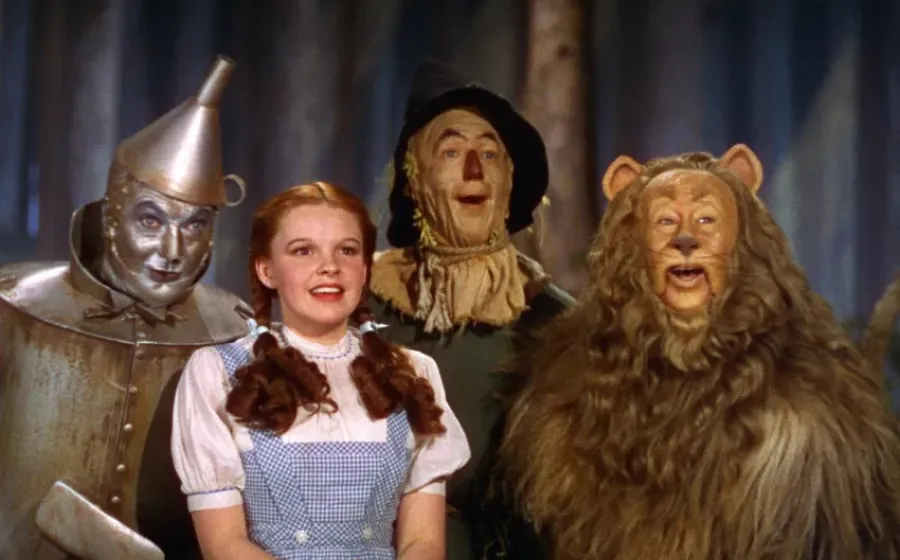
- Family matinees on Sundays will pay tribute to the blockbuster with classics such as The Wizard of Oz, The Sound of Music, and Pirates of the Caribbean.
- Audiences can engage with the radical cinema of Gus Van Sant through Elephant, Last Days, and Paranoid Park.
To mark World Book Day, Cineteca Madrid—a space within the Department of Culture, Tourism and Sport—is dedicating its April program to the dialogue between cinema and literature, coinciding with the 75th anniversary of Cahiers du Cinéma, one of the most influential journals in film history. The month is structured around several programs exploring the intersections of writing, thought, and mise-en-scène.
Cineteca presents a journey through some of the favorite films of the leading critics associated with Cahiers du Cinéma, as well as a program in collaboration with researcher Francisco Javier Fernández, focusing on the dialogue between texts and films by filmmakers and theorists who have practiced cinema through the lens of writing, such as Laura Mulvey, Masao Adachi, and Trinh T. Minh-ha.
April also includes a program dedicated to the flamenco spirit of Federico García Lorca and a series of special events surrounding cinema and literature. Furthermore, Sunday family matinees will feature a cycle organized in collaboration with journalist and researcher Elisa McCausland, tracing the history of the blockbuster as an introduction to popular cinema for younger audiences. Finally, Cineteca joins the Biophest Festival at Matadero Madrid with the screening of three films addressing the human-plant relationship.
75 Years of Cahiers du Cinéma
The first issue of Cahiers du Cinéma appeared in April 1951. Under the intellectual influence of André Bazin, the journal focused its gaze on mise-en-scène and the ethical relationship between the camera and the world. This perspective was nurtured by films that, at the time, lacked canonical recognition but served as true schools of thought for a generation of young French critics who would soon transition to filmmaking. For François Truffaut, Jean-Luc Godard, Claude Chabrol, Jacques Rivette, and Éric Rohmer, these works were not merely objects of analysis, but triggers for a future practice that would redefine cinematic history.
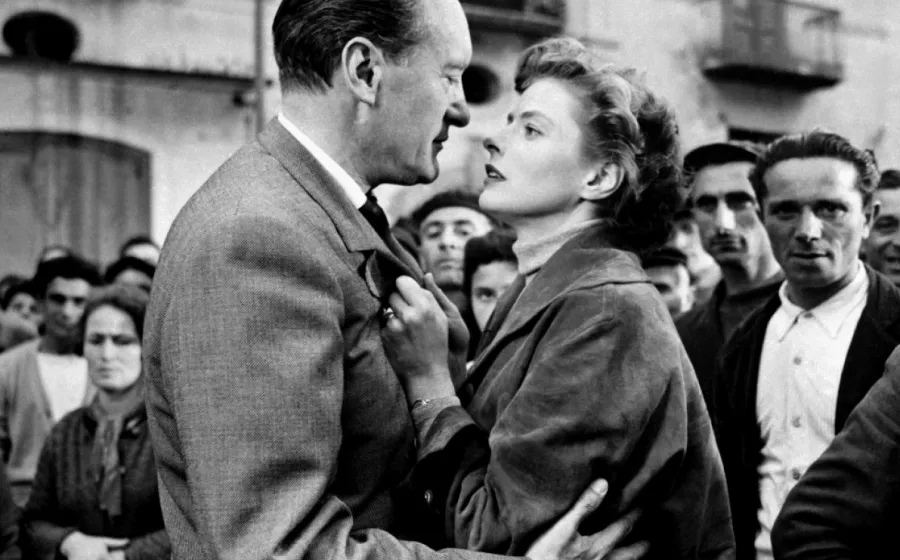
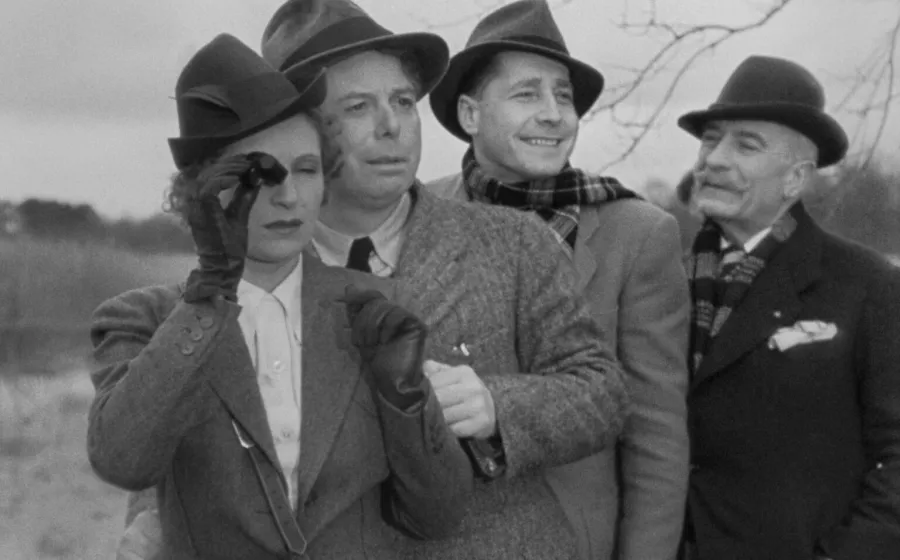
This cycle gathers films that stirred intellectual passion and triggered decisive controversies. Seventy-five years later, their echoes continue to resonate in contemporary theory and practice. The titles to be revisited are: Johnny Guitar (Nicholas Ray); L’Atalante (Jean Vigo); The Rules of the Game (Jean Renoir); Journey to Italy (Roberto Rossellini); Ugetsu (Kenji Mizoguchi); and The Lady from Shanghai (Orson Welles). They will be screened from March 31 to April 5.
Theory and Praxis Cycle
Every filmic practice contains a potential theory. Writing conditions and projects the image, even transforming it. This cycle, in collaboration with researcher Francisco Javier Fernández, gathers the work of various filmmakers who have explored the dialogue between thought and practice through heterogeneous experiences. From April 14 to 22, the following titles will be screened: Riddles of the Sphinx (Laura Mulvey, Peter Wollen); Red Army/PFLP: Declaration of World War (Masao Adachi, Kôji Wakamatsu); Contactos (Paulino Viota); Forgetting Vietnam (Trinh T. Minh-ha); and Loin de Manhattan (Jean-Claude Biette).
Federico García Lorca and Visual Vanguards
The ‘Flamenco García Lorca’ program proposes an audiovisual journey through the poet’s footprint in cinema and visual vanguards, addressing his relationship with flamenco, gypsy culture, and artistic modernity. Moving beyond folkloric tropes, Lorca understood flamenco as a tragic and popular form of knowledge, traversed by history, the body, and conflict.
Through documentaries, experimental pieces, and performance records, the cycle places postwar ethnographic portraits in dialogue with the formal explorations of filmmakers like José Val del Omar, alongside theatrical and political echoes from the 60s and 70s. From April 7 to 11, Cineteca will screen: Nous, les gitans (Alberto Spadolini); Flamenco - möte med spanska zigenare (Dan Grenholm, Lennart Olsson); Rito y geografía del cante: Lorca y el flamenco (Mario Gómez); El barranco de Viznar (José A. Zorrilla); Aguaespejo granadino (José Val del Omar); Festival en las entrañas (José Val del Omar); Arabesque for Kenneth Anger (Marie Menken); Duende y misterio del flamenco (Edgar Neville); and Duende (Ramón Gieling).
A Brief History of the Blockbuster
The grand spectacle film, known as the "blockbuster" since Jaws, has been one of the most influential and popular forms of modern cinema, though often overlooked from a critical perspective. This cycle of conferences and screenings, organized with critics Elisa McCausland and Diego Salgado, offers a historical overview of the cinematic "sense of wonder," attending to both its artistic qualities and its industrial, technical, and cultural conditions.
From the great spectacles of the silent era—such as Metropolis—to 21st-century sagas, the program analyzes the evolution of the blockbuster: the tension between narrative and spectacle in classic Hollywood, the reinvention of cinema after World War II, the birth of the modern model with George Lucas and Steven Spielberg, the rise of digital effects and franchises, and the current landscape defined by superheroes, animation, and the emergence of artificial intelligence.
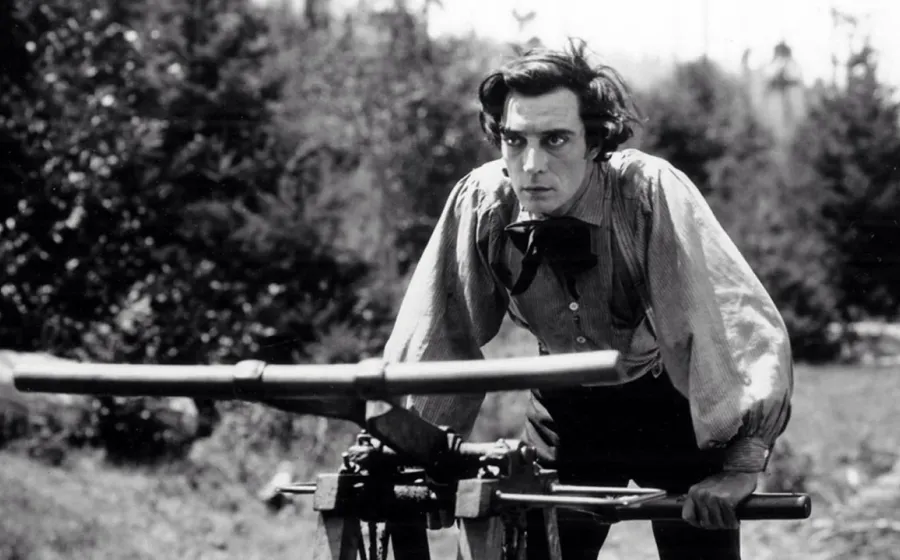
Family audiences can enjoy these titles on the big screen during Sunday matinees from April 5 to May 24: The General (Buster Keaton, Clyde Bruckman); The Wizard of Oz (Victor Fleming); The Sound of Music (Robert Wise); Close Encounters of the Third Kind (Steven Spielberg); Pirates of the Caribbean: The Curse of the Black Pearl (Gore Verbinski); and The Bad Guys (Pierre Perifel).
The Radical Cinema of Gus Van Sant: Where words end
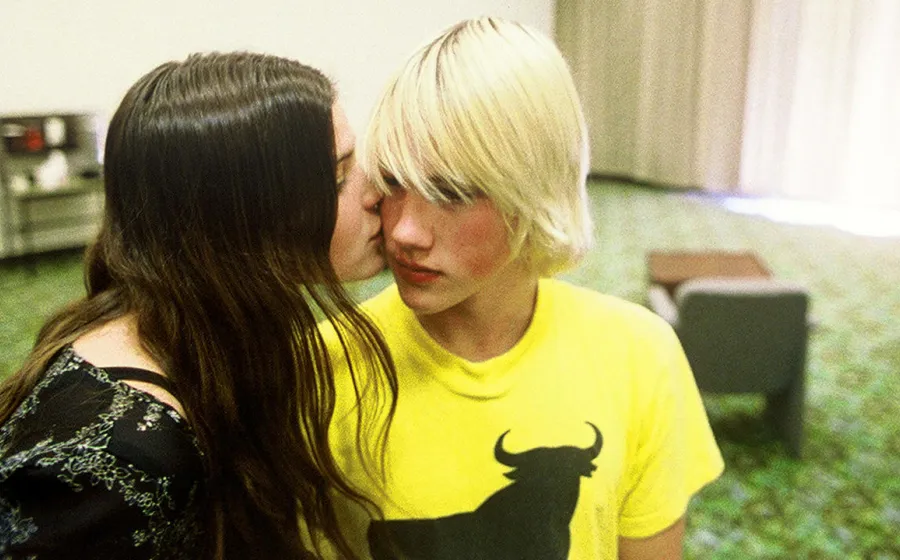
In the early 2000s, Gus Van Sant embarked on one of the most singular formal adventures in contemporary American cinema. After his Hollywood period, the filmmaker returned to a freer, more radical cinema where narration dissolves to give way to an experience built from gestures, silences, bodies, and movements in space. Films such as Elephant (2003), Last Days (2005), and Paranoid Park (2007) are part of this project of extreme exploration, influenced by video games and postmodern narratives. They will be screened at Cineteca on April 28, 29, and 30, respectively. The first session will be accompanied by a talk on the monograph The Long Shadow of the Video Game in Cinema, coordinated by cultural critic Felipe Rodríguez Torres.
Biophest Festival: Docu Natura by Água das Pedras
Cinema joins the program for the second edition of the Biophest Festival, organized by Matadero Madrid and Intermediae, with the screening of three films (April 14, 15, and 16) addressing the relationship between humans and the plant world: The Garden (Derek Jarman, 1990), The Secret Life of Plants (Walon Green, 1978)—featuring an original soundtrack by Stevie Wonder—and the documentary Sembradoras de vida (Diego and Álvaro Sarmiento, 2019). The screenings will feature presentations by Biophest curators Elena Páez and Eva F. Cortés; Diego Fernández, curator of the festival's music section; and curator and art historian Aurora Carmenate Díaz.
Continuous Session: Rumors and Society
Curated by Andrea Ferrer, this proposal takes Pierre Choderlos de Laclos’ 1782 novel Dangerous Liaisons as a starting point to explore how a single literary text can result in radically different cinematic imaginaries. On April 8, Cineteca will screen Dangerous Liaisons (Stephen Frears, 1988), an elegant period reconstruction placing desire at the heart of pre-revolutionary French aristocracy. The following session will present Cruel Intentions (Roger Kumble, 1999), which relocates the intrigue to the elite American teenage context of the late 20th century. Rumors and secrets traverse two centuries of history in this mirror game between literature and cinema. The first session will be accompanied by a colloquium on gossip featuring writers Elizabeth Duval and Sandra López.
Linterna Cycle, with Miguel Agnes and Brays Efe: Make Room! Make Room!
In April, Linterna—the cycle curated and presented by cultural curator Miguel Agnes and actor Brays Efe—returns with a session dedicated to the science fiction novel Make Room! Make Room! (1966) by Harry Harrison, adapted for the screen by Richard Fleischer in 1973 as Soylent Green.