
Matadero Madrid will host the second edition of Biophest, the festival that fosters connection with plant life
- Participants include specialists from a range of fields, such as neuroscientist Nazareth Castellanos, researcher Michael Marder, musicians Joe Patitucci and Teo Lucadamo, and artist María Eugenia Diego.
- Tickets will be available at mataderomadrid.org and cinetecamadrid.com from 10 March, while registration for free activities will open on 8 April.
Matadero Madrid, the contemporary creation centre of the Department of Culture, Tourism and Sport, presents the second edition of Biophest with a wide-ranging programme for all audiences. From 14 to 19 April, this cultural project organised by Intermediae Matadero will promote the exchange of ideas, knowledge and artistic experimentation in order to deepen the emotional bond between human beings and nature. After the success of its first edition, the programme expands to six days, offering more than thirty activities: film screenings, talks, workshops, guided walks, artistic installations and concerts, among other experiences.
The notion of the mosaic landscape, a term referring to territories where different land uses coexist, will shape the 2026 edition of Biophest, developed by artists, musicians, naturalists and scientists of international prestige. In addition, local agents will showcase the diversity of the natural environments surrounding Matadero Madrid through dialogued walks. As a tribute to his legacy, the spirit of British filmmaker and artist Derek Jarman (1942–1994), together with his profound love of nature, will run through various areas of the festival.
A film series
Film joins the programme of this second edition with three titles addressing the relationship between people and the plant world, conceived as a prelude to the weekend activities. The Garden (Derek Jarman, 1990), The Secret Life of Plants (Walon Green, 1978) —featuring an original soundtrack by Stevie Wonder— and the documentary Sembradoras de vida (Diego and Álvaro Sarmiento, 2019) will be screened on 14, 15 and 16 April, respectively. The films will be introduced by Biophest curators Elena Páez and Eva F. Cortés; curator and art historian Aurora Carmenate Díaz; and Diego Fernández, curator of the festival’s music programme. Tickets will go on sale from 10 March at cinetecamadrid.com.
Artistic installations and exhibitions
From 17 April, Nave Una will host four open-access artistic proposals in which plant life connects with art and thought.
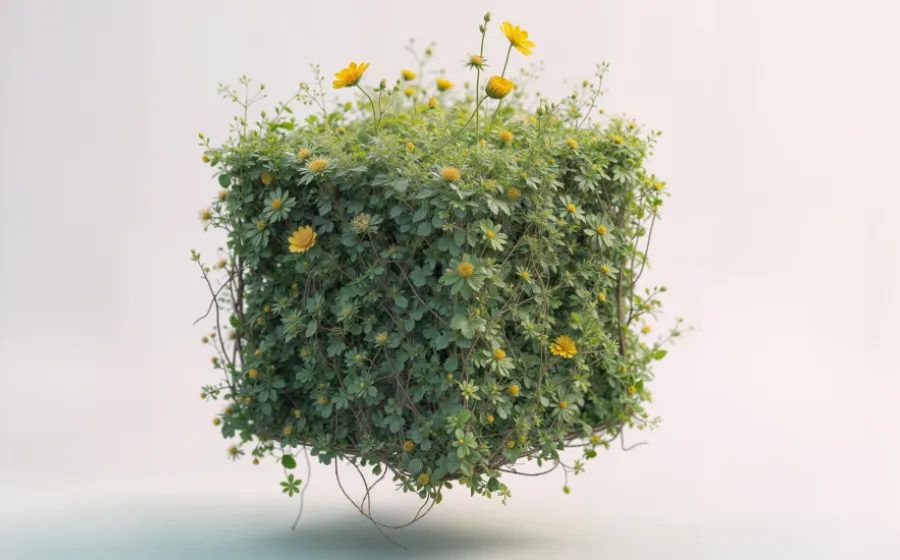
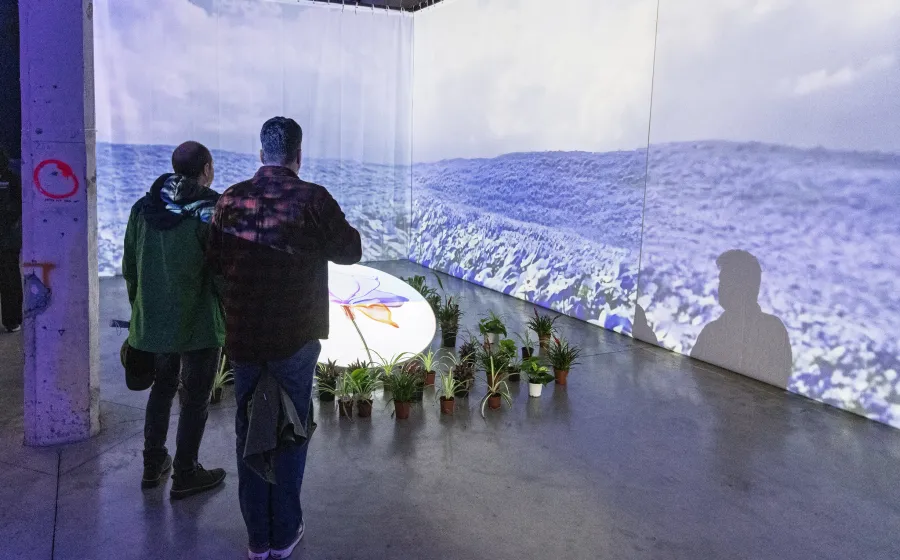
The installation by Kokon (María Eugenia Diego), winner of the 1st Flora International Festival Award, combines sculpture and botany, taking inspiration from the garden that British filmmaker and artist Derek Jarman (1942–1994) cultivated and cared for on a pebble beach at Prospect Cottage.
On the afternoon of Saturday 18, Javier Pérez Iglesias, director of the library of the Faculty of Fine Arts at the Complutense University of Madrid, will lead an activity in which the public will read the entry corresponding to that day from Jarman’s diaries, in tribute to his legacy.
XenoVisual Studies [XVS], recipient of the Situated Research residency 24–25 at Medialab Matadero Madrid, will present Photosynthesis. This proposal plays with the idea of photosynthesis and raises the possibility of feeding plants through xenovisuality, that is, a synthesis guided by images rather than by light.
Meanwhile, the multidisciplinary project Chemical Calls of Care II, by Yolanda Uriz, will explore audio-olfactory communication with plants, inviting visitors to experience a chemical dialogue with aromatic species. A central unit composed of multiple living plants will create a circuit that emits olfactory signals and, in turn, the monitoring of this data will be translated into sound perceptible to visitors.
Food sovereignty will be the focus of What Do We Harvest? Exhibition of Local Lettuce Varieties, organised by Ecosecha. This display highlights the drastic reduction in available plant varieties and the dependence on agricultural biotechnology corporations.
Conversations with experts
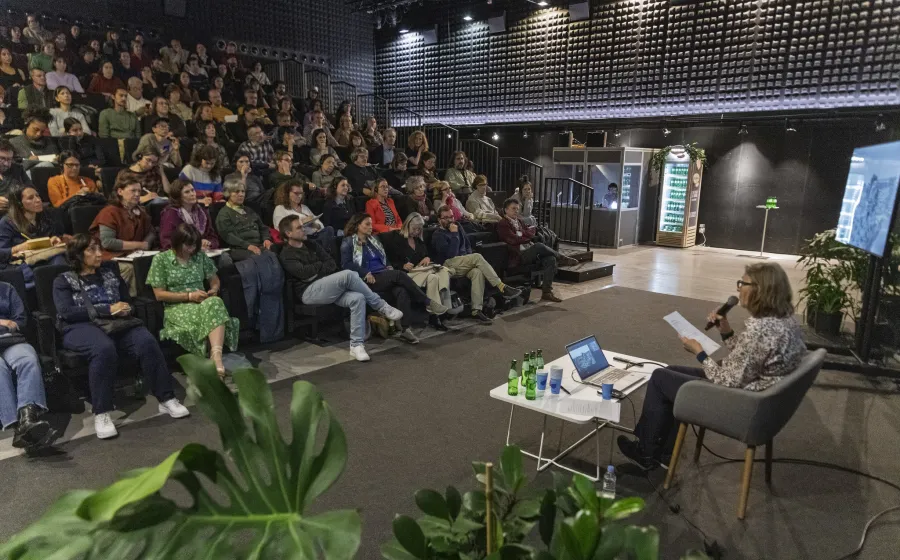
The Plató cinema at Cineteca Madrid will host six free talks with specialists from different fields in relation to biophilia. Opening Saturday’s programme, researcher and neuroscientist Nazareth Castellanos (11:30 am) will give an ad hoc lecture around her line of thought and the ways in which brain and body regulate themselves in contact with nature. This will be followed by psychologist José Antonio Corraliza, who will discuss environmental psychology, focusing on the empathy and well-being that nature provides (12:30 pm). Sociologist, translator and educator Helen Torres will close the session with a contribution centred on the world of fungi as metaphor and on interactions between humans and nature (1:30 pm).
The talks will also feature Canadian philosopher Michael Marder, research professor at Ikerbasque, the Basque Foundation for Science, and one of the foremost international exponents of so-called plant thinking, who will open Sunday’s programme (11:30 am). Naturalist and writer Joaquín Araújo, who at the beginning of his professional career collaborated with Félix Rodríguez de la Fuente, will share his expert knowledge on the issues addressed by the festival (12:30 pm). The programme is completed by the round table The Art of Caring for the Landscape: Mosaics that Extinguish Fires, bringing together a range of voices (1:30 pm).
Plant life and rhythm
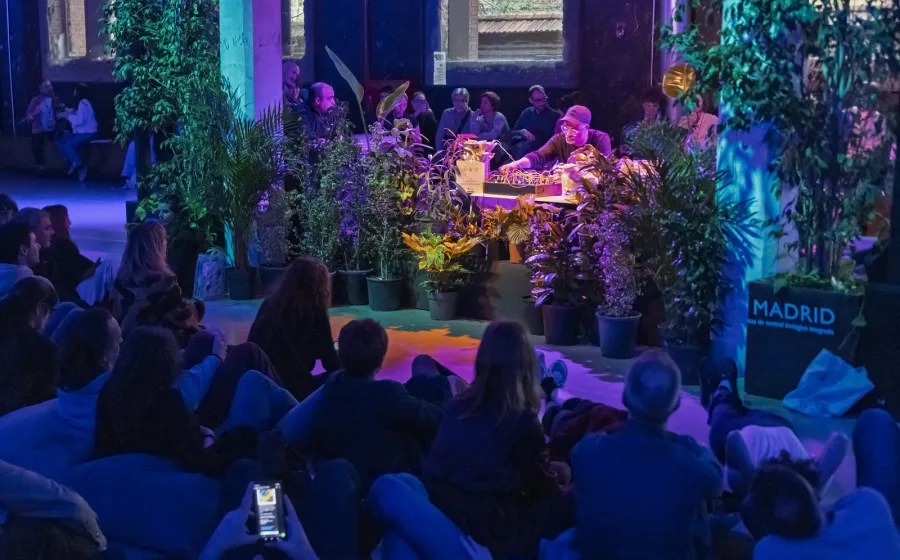
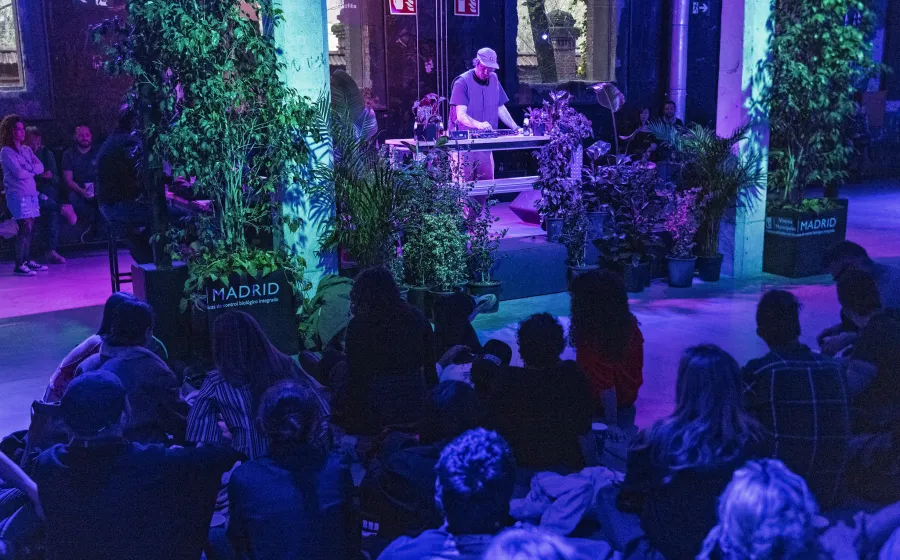
Each day of the weekend will feature a musical performance, free until capacity is reached, linked to the world of plant species and curated by Diego Fernández. At the festival’s opening on Friday 18 April, American artist Joe Patitucci will present a talk and musical session related to his project Plant Wave, which translates in real time data emitted by living plants into music (8:00 pm). On Saturday 18 April, musician Teo Lucadamo will perform Reimagining Stevie Wonder’s Journey Through 'The Secret Life of Plants'.
To close the festival, on Sunday 19 April, English DJ John Gómez will present From Seed to Rhythm, a sonic journey evolving from the most ethereal ambient sounds to downtempo and deep house, culminating in a vibrant, danceable finale. Each transition symbolises a phase in the plant life cycle, from germination to flowering, in an organic and immersive musical narrative.
Workshops for children and adults
Throughout the weekend, six workshops designed for children and adults will offer ways to engage with biophilia, understood as the emotional bond between humans and plants. Aimed at children aged six and over, the free workshops The Forest Challenge and The Nature of Objects will encourage learning through play. Registration opens on 8 April at intermediae.es.
Adult participants will have the opportunity to connect artistic practices linked to the plant universe —such as embroidery, stamp printing or cyanotype— with appreciation for plant species. They will also be able to establish conscious contact with seeds, explore the uses of aromatic plants or learn about caring for cuttings. Tickets will be available from 10 March at mataderomadrid.org.
Trashion: fashion, music and protest
Terrario and Nave Una will host an activity for adults on Sunday 19, in which participants will transform waste into ephemeral fashion pieces inspired by a plant-based imaginary. The activation will culminate in the performative runway show Venus Flytrap, where the participants’ creations will come to life. This free activity will be orchestrated by Clara Macías Carcedo, with sound creation by Raquel Martínez, and requires prior registration at intermediae.es from 8 April.
Guided walks in natural spaces
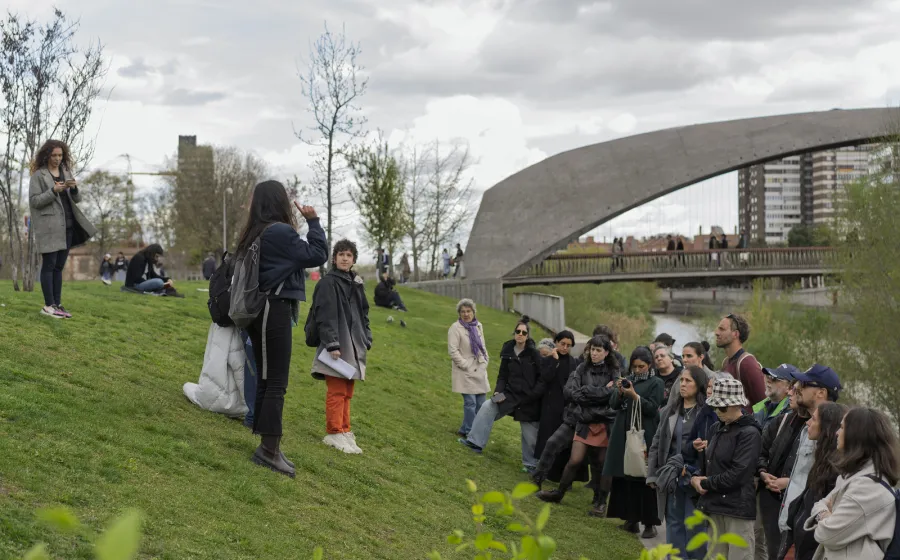
Among the activities designed to explore the plant world around us, Biophest has organised four guided walks. The programme begins on Saturday 18 April with a route led by Carmen Haro and Laura Milena Ramírez to observe the Manzanares River. The Pulse of Plants Beneath the Glass will be a journey led by Rojomenta to discover the greenhouse of the Crystal Palace in Arganzuela, an urban oasis where humidity and plant life intertwine.
A route through Madrid Río and Arganzuela, guided by Malú Cayetano and Alberto Peralta, together with a bio-botanical walk with naturalist Joaquín Araújo, complete the programme on Sunday 19 April. All routes are free, with prior registration at intermediae.es from 8 April.
The Biophest festival, organised by Intermediae and Matadero Madrid, is sponsored by Água das Pedras and the Spanish Association for Forest Certification (PEFC Spain), and is curated by urban botany expert Elena Páez and cultural communication specialist Eva F. Cortés. The festival forms part of the line of work around permaculture and critical ecology that has characterised Intermediae’s programme, among others, since its beginnings.