
FILM SERIES CARTE BLANCHE TO GERMÁN LABRADOR: 'VIVOS, DEMONIOS, ARREBATADOS'

Reduced mobility
Date
Venue
Price
3,5 €
Category
Format
Institution
What connections can cinema and art forge today, at a time when images flow without pause and cultural practices are reshaped by new memories, disputes, and desires for transformation? To reflect on these questions, we present two carte blanches dedicated to Estrella de Diego and Germán Labrador, two authors, researchers, and curators whose careers challenge disciplinary boundaries and have profoundly renewed our relationship with images and their histories.
Germán Labrador has explored marginal poetics, youth cultures, and alternative memories of Spain’s Transition to democracy. His work shows how aesthetic practices can intervene in history and open spaces of community, giving voice to displaced narratives that question official accounts. This carte blanche is, above all, an invitation. Not only to watch films, but to reflect on the limits of art and cinema.
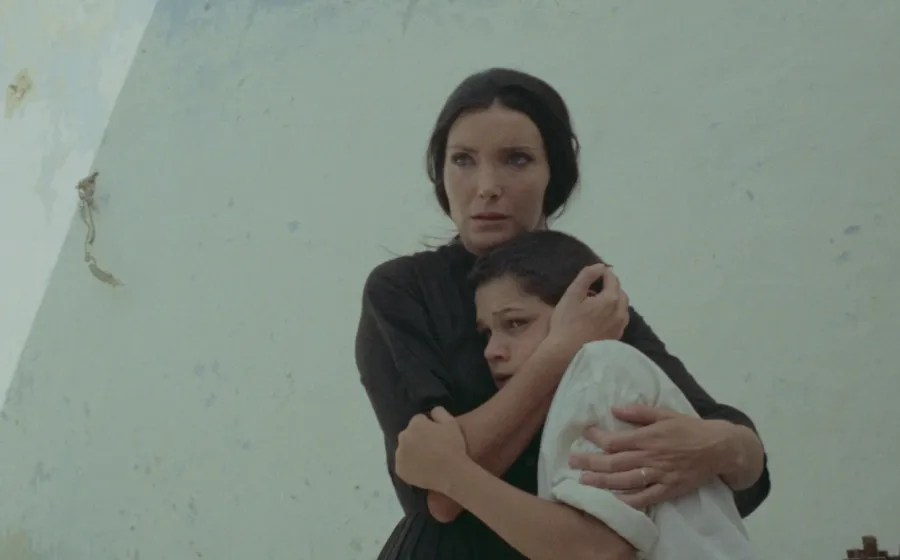
TUESDAY, MARCH 10: Sala Azcona, 8:00 pm. Long Live Death (Fernando Arrabal, 1971) 86 min. A fierce and autobiographical account of childhood during the Spanish Civil War. Through a child’s gaze, the film blends memory, fantasy, political violence, and surrealist provocation to construct a delirious and cruel vision of fanaticism, repression, and ideological indoctrination.
WEDNESDAY, MARCH 11: Sala Azcona, 7:00 pm. Preceded by a lecture by Germán Labrador, Arrebato (Iván Zulueta, 1968) 110 min will be screened. A cult film about addiction to the image and the desire for disappearance through cinema. A director in crisis receives mysterious Super-8 recordings that draw him into an extreme experience, where filming becomes a form of vampirism and total surrender to the image.
THURSDAY, MARCH 12: Sala Plató, 8:00 pm. Madrid (Basilio Martín Patino, 1987) 90 min. A cinematic essay on the city of Madrid as a political, symbolic, and media space. Drawing on archival footage, television recordings, and direct observation, the film constructs a critical portrait of the Transition and the contemporary fabrication of reality.